Finding the right assessment for a child who struggles with speech can feel like hunting for a needle in a haystack—especially when you’re in a regional part of Australia. This guide will walk you through the practical steps, resources, and insider tips that make the process less daunting and more productive. By the end, you’ll know exactly how to locate a qualified assessment and what to expect once you’ve secured one.
Understanding the Need for an Assessment
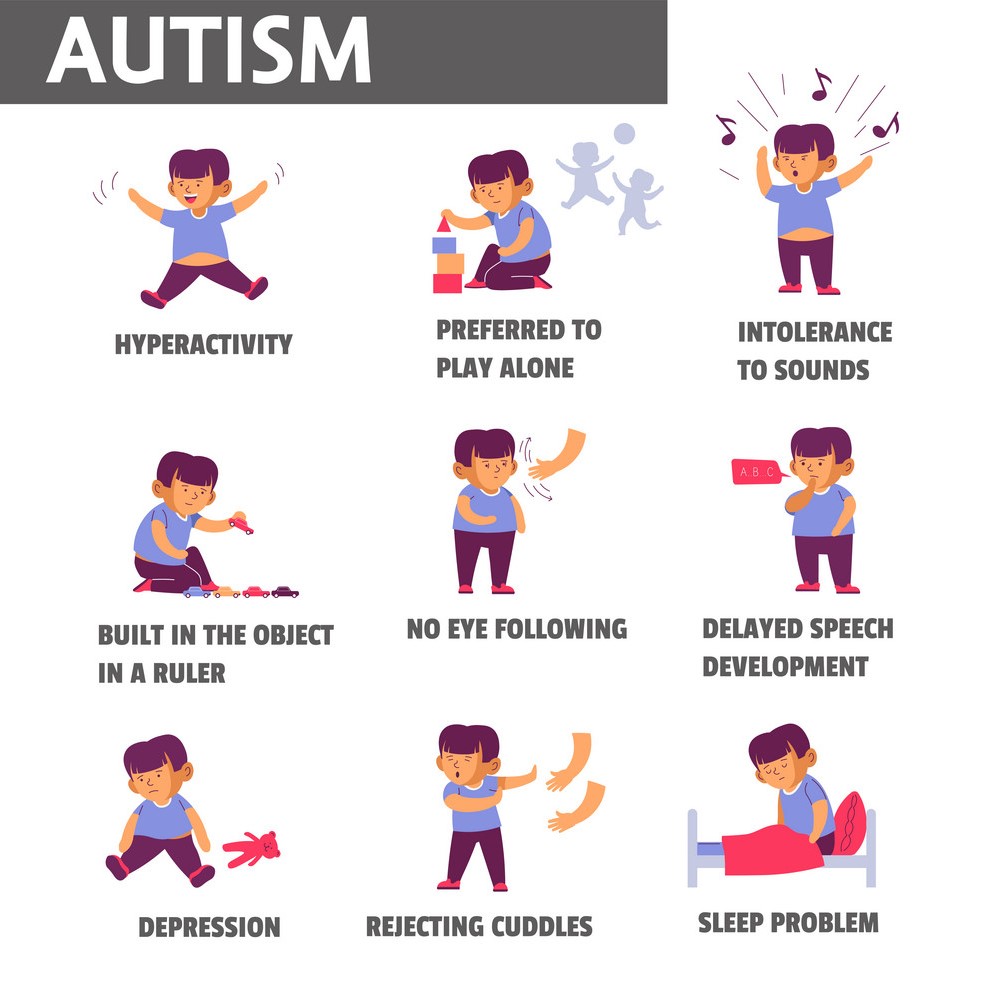
Before you start dialing numbers, it’s useful to grasp why an autism assessment matters when speech is a challenge. Speech impairment can be a hallmark of autism, but it can also stem Limited pointing or gestures from other conditions. A thorough assessment:
- Confirms whether autism is part of the picture. Identifies co‑occurring issues such as language delays, hearing problems, or anxiety. Provides a roadmap for tailored support and therapy.
> “Every child is a masterpiece, and understanding their unique needs is the first brushstroke.” – Dr. Temple Grandin
Have you ever wondered why some parents feel stuck in a loop of referrals and paperwork? The answer often lies in knowing exactly what to ask for and where to look.
Why Speech Impairment Matters
Speech impairment isn’t just about words—it’s a window into how a child processes information, interacts socially, and feels about themselves. When paired with autism, it can amplify communication challenges, making early intervention even more critical. Recognizing this connection early can mean the difference between a child feeling lost in a crowded classroom and one who thrives with the right support.
Mapping the Regional Landscape
Australia’s vast geography means that access to specialized services varies widely. Knowing where to start can save time, money, and frustration.
Government Services and Funding
- Department of Health: Provides information on funded assessments and therapists. Local Health Districts: Often run regional assessment hubs or can direct you to nearby specialists. National Disability Insurance Scheme (NDIS): If your child is eligible, the NDIS can fund assessment costs and ongoing support.
Private Specialists and Clinics
Many private clinics offer autism assessments, but quality and cost can differ. Look for:
- Accredited autism specialists. Speech‑language pathologists with autism experience. Facilities that accept Medicare or NDIS funding.
Online Directories and Telehealth Options
In regional areas, telehealth can bridge the gap. Websites like the Australian Autism Spectrum Disorder Association (AASD) list:
- Qualified professionals who offer virtual assessments. Clinics that provide hybrid models (initial online screening followed by in‑person evaluation).
Practical Steps to Find an Assessment
Now that you know where to look, let’s break down the process into manageable actions.
Start with Your Child’s GP
Your general practitioner is often the first stop. They can:
- Provide a referral to a specialist. Offer a preliminary assessment of speech concerns. Connect you with local resources.
Ask your GP: “Do you know of any autism specialists in our region who can evaluate my child’s speech impairment?” A simple question can open doors.
Leverage Local Schools and Speech Pathologists
Schools frequently collaborate with speech pathologists. They can:
- Conduct an informal speech screening. Refer you to a specialist if concerns arise. Provide insight into your child’s communication in a classroom setting.
Online Directories and Telehealth Options
If local options are limited, expand your search:
- Use the Australian Institute of Family Studies directory for registered specialists. Check the Health Direct portal for telehealth services. Look for professionals who specifically mention experience with regional families.
Community Resources and Support Groups
Regional communities often have informal networks:
- Parent support groups can share personal experiences and recommendations. Local libraries or community centers may host workshops on autism and speech therapy. Social media groups (e.g., Facebook communities for regional parents) can be goldmines for referrals.
What to Expect During the Assessment Process
Understanding the assessment journey can reduce anxiety and help you prepare effectively.

The Assessment Team
A typical autism assessment team may include:
- A clinical psychologist. A speech‑language pathologist. A pediatrician or developmental pediatrician. A specialist in autism or early childhood development.
Each professional brings a unique perspective, ensuring a comprehensive evaluation.
Key Tests and Observations
The assessment will likely involve:
- Structured interviews with parents and teachers. Standardized questionnaires (e.g., ADOS‑2, Vineland). Direct observation of communication, play, and social interaction. Speech and language evaluations.
Interpreting the Report
After the assessment, the team will compile a report that:
- Summarizes findings. Provides a diagnosis (if applicable). Recommends intervention strategies. Suggests follow‑up assessments or therapy.
Ask for a clear, jargon‑free summary so you can discuss next steps confidently.
Making the Most of the Results
An assessment is only the beginning. How you act on the findings determines the trajectory of your child’s development.
Developing an Individualised Plan
Work with the assessment team to create an Individualised Education Plan (IEP) or a therapy plan that:
- Targets specific speech and language goals. Integrates autism‑friendly strategies (e.g., visual supports, routine). Sets measurable milestones.
Accessing Therapy and Support
- Speech Therapy: Look for therapists experienced with autism and speech impairment. Occupational Therapy: Helps with sensory processing that may affect communication. Social Skills Groups: Peer interaction can reinforce learning.
Remember, therapy is a marathon, not a sprint. Consistency and collaboration with teachers and therapists are key.
A Real‑World Story
Last month, a mother from a small town in the Speech regression Snowy Mountains called me. She had a 4‑year‑old son, Liam, whose speech was a puzzle—he could form words but struggled to make them heard. After a brief telehealth screening, Liam was referred to a regional specialist who conducted a full assessment. The report confirmed autism and identified a strong visual learning style. With a tailored plan, Liam’s speech improved dramatically over six months, and his confidence grew. “It’s like watching a caterpillar turn into a butterfly,” she said, eyes shining.
Her story illustrates that, even in remote areas, the right assessment can unlock a child’s potential.
Making Your Search Count
Finding an autism assessment for a child with a speech impairment in regional Australia doesn’t have to be a maze. By starting with your GP, tapping into school resources, exploring online directories, and engaging community networks, you can locate a qualified professional. Once the assessment is complete, use the findings to craft a personalised plan that supports your child’s growth.
Remember, the journey from uncertainty to clarity is a series of small, deliberate steps—much like a puzzle that comes together one piece at a time. Take the first step today, and you’ll set the stage for a brighter, more communicative future for your child.